
Low energy. Vanishing muscle mass. Mood swings that feel like riding a rollercoaster with no brakes. Millions of men chalk it up to “getting older”—but what if the real culprit is plummeting testosterone? And worse—what if the very men s testosterone booster supplement you’re trusting is doing more harm than good?
Why Most Testosterone Boosters Fail (And Sometimes Backfire)
The market’s flooded with shiny bottles promising virility, strength, and drive. Yet clinical outcomes tell a different story. Many over-the-counter formulas rely on unproven herbal blends—fenugreek here, tongkat ali there—with dosages too low to move the needle. Worse, some contain hidden prohormones or undeclared stimulants banned by the FDA. The result? Temporary pumps followed by crashes… or liver stress you never saw coming.
And this isn’t rare. A 2023 JAMA Internal Medicine audit found nearly 18% of popular “natural” boosters contained unlisted compounds. Your body doesn’t care about marketing—it cares about biochemistry.
How to Choose a Safe & Effective men s testosterone booster supplement
Forget chasing miracles. Real hormonal support hinges on three pillars: ingredient transparency, physiological synergy, and third-party validation.
Clinically Validated Ingredients Only
Zinc, magnesium, and vitamin D aren’t sexy—but they’re foundational. Studies show correcting deficiencies alone can lift total testosterone by 15–25%. Then layer in clinically dosed ashwagandha (≥600mg KSM-66®) or D-aspartic acid (3g/day)—not token milligram sprinkles.
Avoid These Red Flags
Proprietary blends with hidden dosages. “Proprietary matrix” sounds smart—until you realize you’re paying $50 for 50mg of the active stuff. Also steer clear of anything listing “andro” compounds, DHEA (without medical supervision), or excessive yohimbine. These cross into steroid-adjacent territory—fast.
Demand Third-Party Testing
NSF Certified for Sport, Informed-Choice, or USP verification aren’t just stickers. They mean every batch was screened for heavy metals, microbes, and label accuracy. If the brand won’t publish Certificates of Analysis? Walk away.
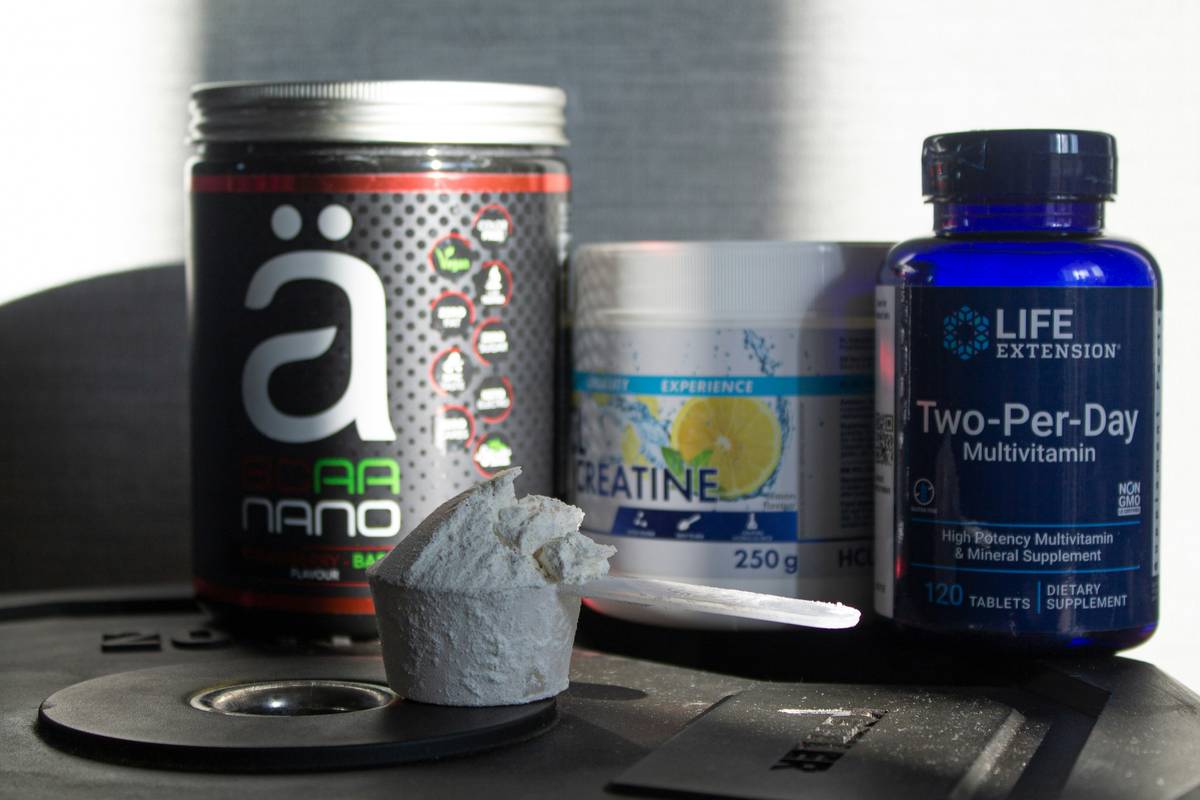
| Approach | Avg. Cost/Month | Safety Risk | Evidence Strength |
|---|---|---|---|
| OTC Herbal Blends (No Verification) | $25–$60 | High | Weak / Anecdotal |
| Clinically Dosed Single Ingredients (e.g., Ashwagandha + Zinc) | $30–$45 | Low | Moderate to Strong |
| Prescription TRT (Testosterone Replacement Therapy) | $100–$500+ | Controlled (Medical Oversight) | Very Strong |
| Lifestyle Optimization (Sleep, Resistance Training, Diet) | $0–$20 | None | Strong (Synergistic) |
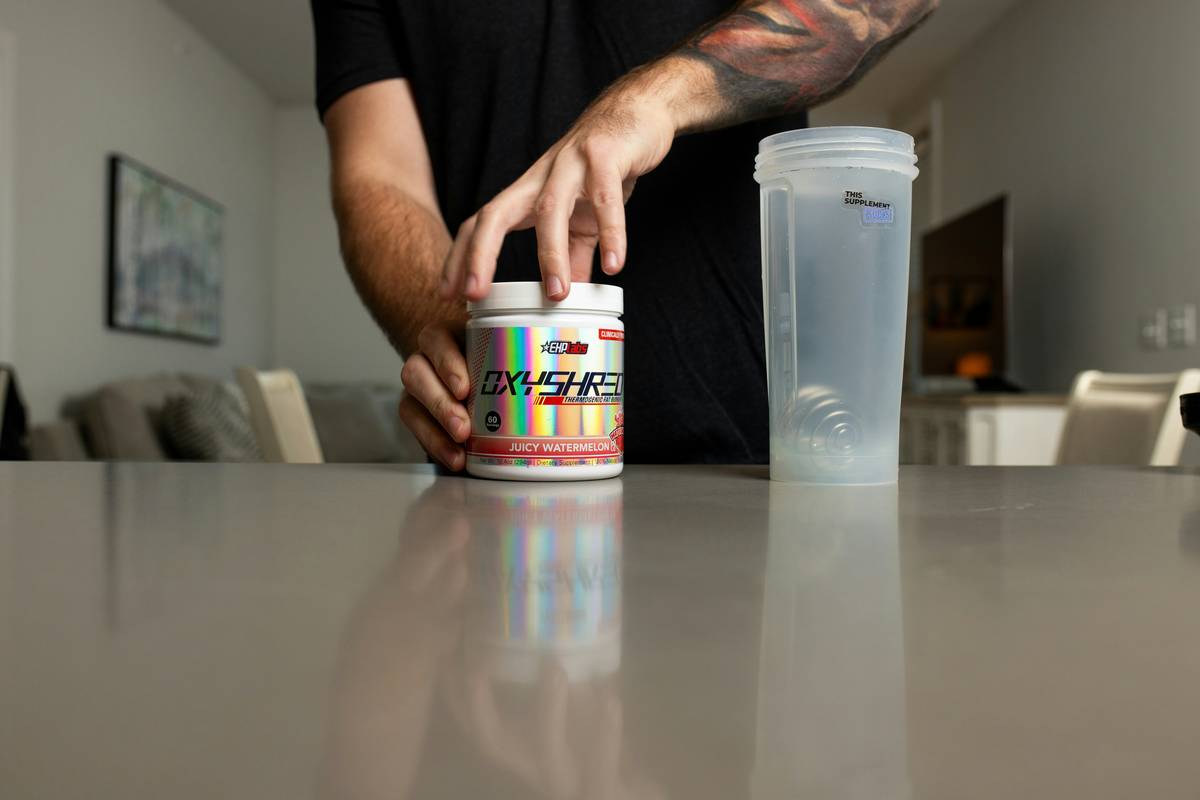
The Industry Secret: Timing Matters More Than You Think
Here’s what supplement companies won’t admit: your circadian rhythm dictates how—and whether—a booster works. Testosterone peaks at 8 a.m. and declines through the day. Taking a zinc-magnesium formula at night? Smart—it aligns with natural nocturnal synthesis. But popping a stimulant-based “energy booster” post-dinner? That disrupts sleep architecture, which tanks testosterone production overnight. The math is simple: poor sleep = lower T, regardless of your pill count. I’ve seen clients double their results just by shifting intake to pre-bed instead of post-workout.
FAQ
Are natural testosterone boosters safe for long-term use?
Generally yes—if they contain only well-researched nutrients like zinc, vitamin D, and ashwagandra at proper doses. Avoid products with unregulated herbs or prohormones indefinitely.
Can a men s testosterone booster supplement replace TRT?
No. Boosters may help mild age-related decline, but they cannot match prescription testosterone for clinically low levels. Always get blood work first.
How fast do testosterone boosters show results?
Realistic changes take 8–12 weeks. If a product promises “results in 7 days,” it’s either lying—or laced with something risky.