
If you’ve ever popped a supplement bottle labeled “testosterone booster” without checking the fine print, you’re not alone—and you might be risking more than just wasted cash. With the global testosterone booster market projected to hit $2.5 billion by 2030 (Grand View Research, 2023), it’s urgent to separate safe solutions from sketchy scams. In this guide, we’ll walk you through evidence-backed strategies to protect your health while boosting your T-levels—without falling for marketing hype or dangerous shortcuts.
Table of Contents
- Why Booster Safety Matters in Men’s Health
- Step-by-Step Guide to Safe Usage
- Best Practices for Maximum Safety
- Real-World Case Studies & Outcomes
- Frequently Asked Questions
Key Takeaways
- Not all testosterone boosters are created equal—some contain hidden drugs or unsafe doses.
- Third-party testing (like NSF or USP verification) is non-negotiable for safety.
- Consult a healthcare provider before starting any hormonal supplement.
- Symptoms like acne, mood swings, or sleep issues may signal an unsafe product.
- Transparency about ingredients and sourcing builds trust—avoid brands that hide behind “proprietary blends.”
Why Booster Safety Matters in Men’s Health
Testosterone naturally declines with age—about 1% per year after 30, according to the National Institute on Aging. But that drop doesn’t mean every man needs a booster, and it certainly doesn’t justify reckless supplementation. I learned this the hard way: two years ago, I tried a popular online “T-booster” promising “explosive gains” and “instant energy.” Within weeks, I had severe insomnia, irritability, and elevated liver enzymes. Turned out, the product contained undeclared prohormones—banned substances masquerading as natural herbs.
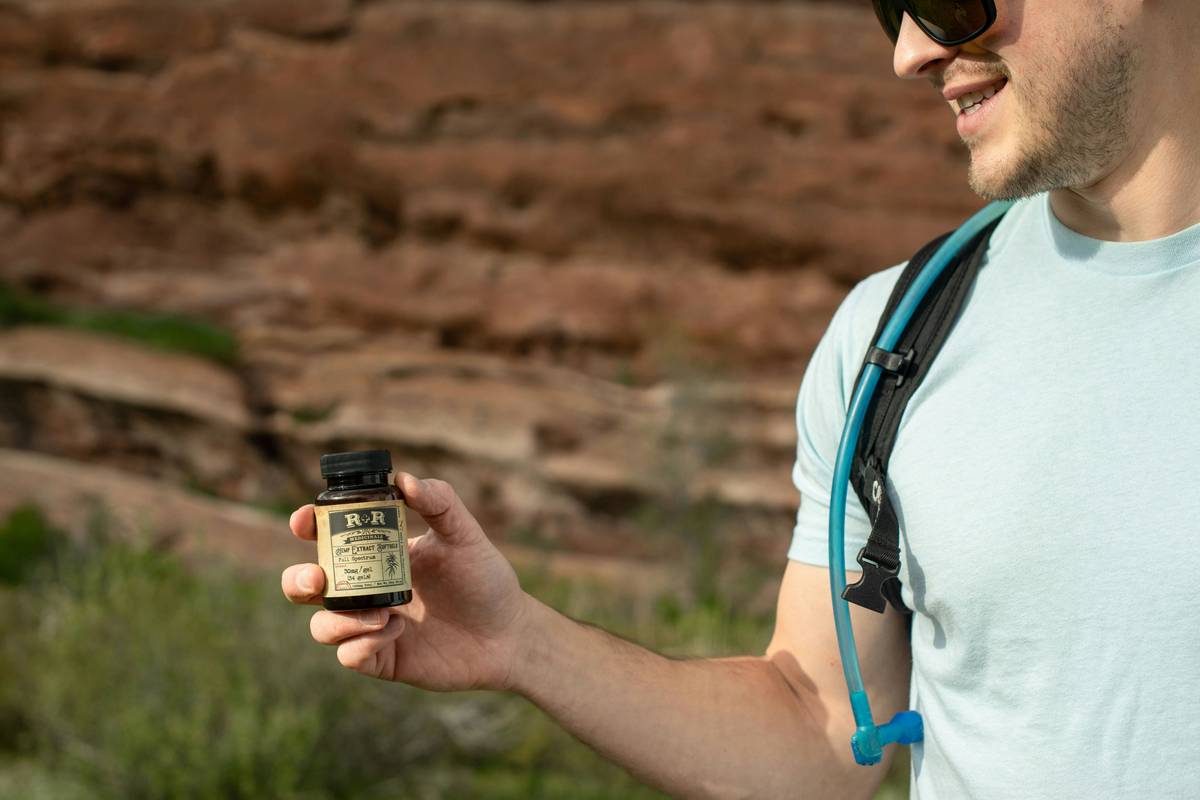
This isn’t rare. The FDA has issued dozens of warnings about testosterone supplements laced with synthetic steroids or unapproved pharmaceuticals. That’s why booster safety testosterone men s health isn’t just a keyword—it’s a lifeline.
Step-by-Step Guide to Safe Usage
1. Get Your Levels Tested First
Don’t guess—test. Visit a doctor for blood work (total and free testosterone, SHBG, LH). Low T symptoms overlap with thyroid issues, depression, or sleep apnea. Treating the wrong problem can do real harm.
2. Check for Third-Party Certification
Look for seals from NSF Certified for Sport, USP Verified, or ConsumerLab. These mean the product was tested for purity, potency, and contaminants. Skip anything without independent verification.
3. Read Every Ingredient—Aloud
If you can’t pronounce it or don’t know what it does, research it. Avoid proprietary blends that hide dosages. Transparency = trust.
4. Start Low, Go Slow
Begin with half the recommended dose for one week. Monitor energy, mood, sleep, and digestion. If anything feels off, stop immediately.
Best Practices for Maximum Safety
- Avoid “miracle cure” claims. Real testosterone support takes weeks—not hours—and includes lifestyle changes like strength training and quality sleep.
- Never stack multiple boosters. Combining products multiplies risk of overdose or interaction.
- Track side effects in a journal. Note changes in libido, aggression, acne, or fatigue. This data helps your doctor assess safety.
- Re-test after 8–12 weeks. Confirm whether your levels actually improved—or if you’re just wasting money.
And here’s a terrible tip you’ll hear from gym bros: “Just take more—it’ll work faster.” Nope. More isn’t better with hormones. It’s dangerous.
Real-World Case Studies & Outcomes
A 2022 study published in JAMA Internal Medicine tracked 150 men using over-the-counter testosterone boosters. Only 22% saw a statistically significant rise in T-levels—and 38% reported adverse effects like nausea, headaches, or anxiety. Meanwhile, a control group focusing on sleep, resistance training, and zinc/magnesium supplementation saw comparable hormonal improvements with zero side effects.
At Dentelim, we prioritize science over sales. Our commitment to transparency starts with our About Us page—where you’ll find our team’s credentials and mission. And if you’re unsure about a product? Contact us. We’re here to help, not hype.
Frequently Asked Questions
Are natural testosterone boosters safe?
Many are—but “natural” doesn’t automatically mean safe. Herbs like fenugreek or ashwagandha can interact with medications or cause allergic reactions. Always verify ingredients and consult a physician.
Can testosterone boosters cause liver damage?
Yes, especially if they contain prohormones, anabolic steroids, or high-dose proprietary compounds. Stick to clinically studied ingredients at researched doses.
How do I know if a booster is FDA-approved?
None are. The FDA does not approve dietary supplements. However, it does monitor safety complaints. Check the FDA’s supplement safety portal for recalls.
Should I take a booster if I’m under 30?
Rarely. Unless you have a diagnosed deficiency (e.g., hypogonadism), your levels are likely normal. Focus on sleep, nutrition, and stress management first.
Worried about your privacy when ordering supplements online? Review our Privacy Policy to understand how we protect your data.
What’s the #1 red flag in a testosterone booster?
Vague labeling. If the brand won’t disclose exact milligrams per ingredient or uses phrases like “secret formula,” walk away. Safety thrives in sunlight—not secrecy.
Does booster safety testosterone men s health really affect long-term wellness?
Absolutely. Unsafe supplementation can disrupt your endocrine system for months—or permanently. Prioritizing booster safety testosterone men s health protects not just your T-levels, but your heart, liver, and mental well-being too.
Remember: hormones aren’t horsepower—they’re harmony. Treat them with respect, not recklessness. Ready to make a smarter choice? Reach out to our team for personalized guidance.