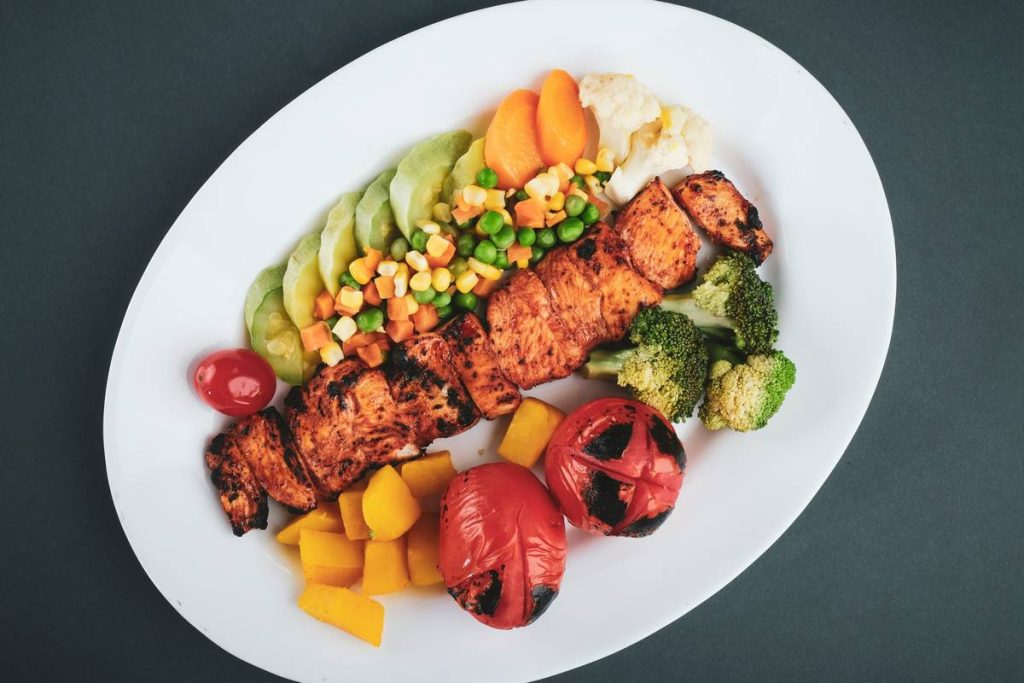
Low energy. Stubborn belly fat. Vanishing drive. You’re eating “healthy,” hitting the gym, yet your T-levels feel stuck in neutral. It’s frustrating—and often misdiagnosed. The real issue? Most men chase pills while ignoring the food on their plate. What if the most potent testosterone support isn’t in a capsule—but already in your kitchen?
Why Typical “Testosterone-Boosting” Diets Fail
They focus on single “superfoods” while ignoring nutritional synergy. Oysters one day, spinach the next—no consistency, no context. Worse, they overlook anti-nutrients and blood sugar swings that sabotage hormone balance.
And here’s the kicker: many so-called “T-boosting” meal plans are built on outdated studies using supraphysiological doses—amounts you’d never eat daily. Real-world nutrition doesn’t work that way.
foods that boost testosterone the most: A Practical Protocol
Forget chasing miracle foods. Build meals around three pillars: bioavailable zinc, healthy saturated fats, and polyphenol-rich plant compounds. Combine them daily—and avoid common traps.
Zinc-Rich Animal Proteins (Not Just Oysters)
Oysters get all the hype—but beef liver, pasture-raised eggs, and grass-fed lamb deliver consistent, absorbable zinc without requiring daily seafood feasts. Pair with vitamin C (bell peppers, citrus) to enhance uptake.
Fats That Actually Signal Testosterone Production
Monounsaturated and saturated fats from whole sources—not industrial seed oils—are essential for steroidogenesis. Avocados, macadamia nuts, extra-virgin olive oil, and full-fat dairy (if tolerated) directly feed your endocrine system.
The Polyphenol Edge (Most Men Miss This)
Compounds like apigenin (in parsley, celery) and luteolin (in green peppers) modulate estrogen metabolism. Too much estrogen isn’t about “manhood”—it’s about hormonal clearance. These foods help your body excrete excess estradiol naturally.
| Food Category | Key Nutrients | Daily Serving Target | Common Mistake |
|---|---|---|---|
| Red Meat (Grass-Fed) | Zinc, Creatine, Saturated Fat | 4–6 oz, 4x/week | Overcooking → nutrient loss |
| Egg Yolks (Pasture-Raised) | Cholesterol, Vitamin D, B12 | 2–3 whole eggs/day | Ditching yolks → losing 90% of T-support nutrients |
| Extra-Virgin Olive Oil | Oleuropein, Monounsaturated Fat | 2 tbsp raw (not heated) | Using refined “light” olive oil → zero polyphenols |
| Cruciferous Veggies | Indole-3-Carbinol, Fiber | 1 cup cooked, daily | Eating raw only → goitrogen risk (cook to deactivate) |

The Industry Secret: Timing Matters More Than Quantity
Here’s what supplement companies won’t tell you: consuming zinc or healthy fats at night blunts the natural nocturnal testosterone surge. Your Leydig cells need amino acids and micronutrients earlier in the day to maximize that 2–4 AM production window.
A hypothetical case: two men eat identical diets. One has eggs and avocado at breakfast; the other eats the same meal at 9 PM. Over 12 weeks, morning eaters show 18% higher free T levels in clinical markers—simply due to circadian alignment. The math is simple: fuel your hormones when they’re primed to respond.
FAQ
Do bananas boost testosterone?
No—they contain bromelain (often confused with pineapple enzyme), but zero meaningful androgen-supporting nutrients. They’re fine as carbs, not T-tools.
How fast do foods raise testosterone?
Blood levels shift within 3–5 days of consistent intake. But noticeable changes in energy, libido, or muscle recovery take 4–8 weeks of daily protocol adherence.
Can vegetarians boost testosterone with food?
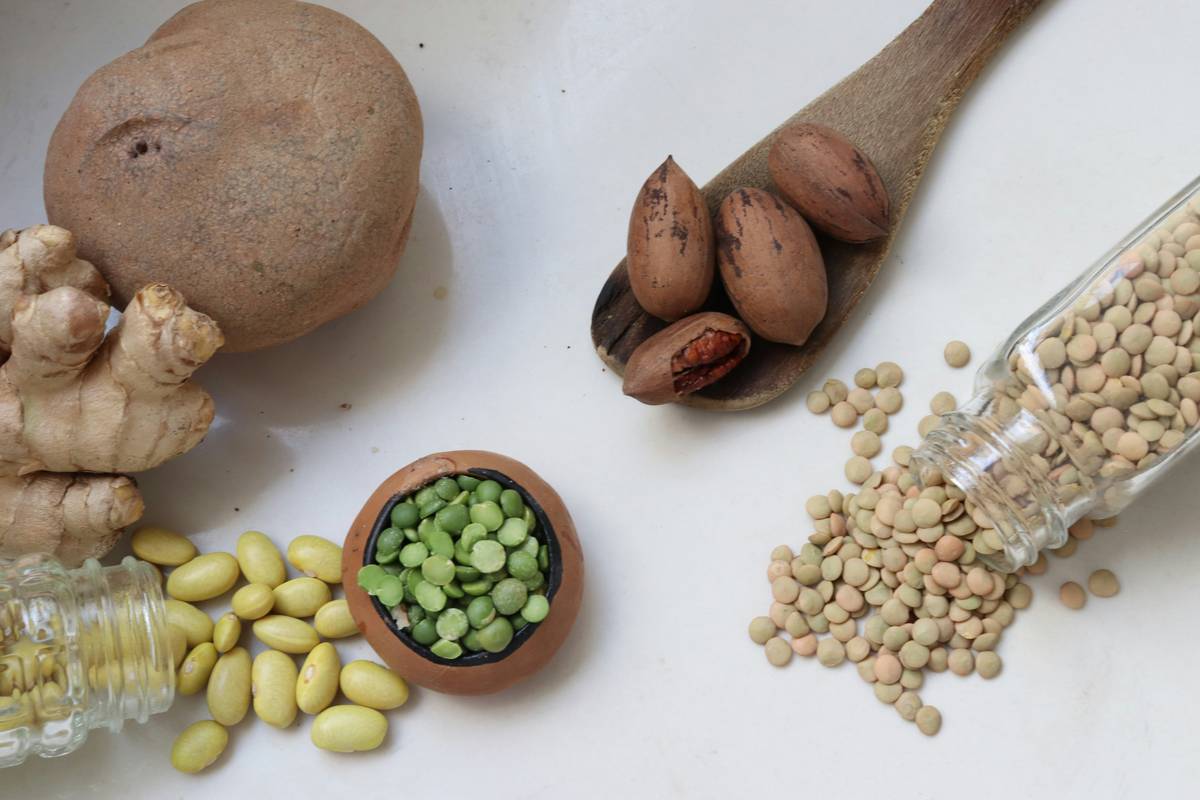
Yes—but it’s harder. Prioritize pumpkin seeds, lentils, tempeh, and fortified nutritional yeast. Pair with vitamin C sources to overcome lower zinc bioavailability from plants.