Ever wake up feeling like your 20-year-old self got swapped out for a guy who naps before dinner and can’t remember where he left his keys? You’re not alone. By age 30, testosterone levels in men decline by about 1% per year. And while pills and powders scream “boost now!” from every Instagram ad, the truth is quieter—and tastier.
In this post, you’ll learn exactly how to harness testosterone food booster strategies that actually work—no sketchy supplements, no false promises. We’ll break down the science-backed foods, debunk dangerous myths, share what worked (and flopped) in real life, and give you a practical plan you can start tonight at dinner. Because if you’re going to boost testosterone, you might as well enjoy the meal.
Table of Contents
- Why Food Matters More Than You Think for Testosterone
- How to Boost Testosterone with Food: Step-by-Step Guide
- Best Practices for a Testosterone-Friendly Diet
- Real Results from Real Men
- Testosterone Food Booster FAQs
Key Takeaways
- Zinc, vitamin D, healthy fats, and magnesium are non-negotiable for natural testosterone production.
- Processed sugar, trans fats, and chronic alcohol intake sabotage T levels—even if you lift weights.
- You don’t need exotic superfoods—eggs, oysters, spinach, and extra-virgin olive oil do the heavy lifting.
- Consistency over weeks—not days—drives measurable change. One steak won’t transform you.
- Food alone won’t fix clinically low testosterone; consult a doctor if symptoms persist.
Why Food Matters More Than You Think for Testosterone
Let’s be brutally honest: I once chugged a $60 “T-Booster” shake daily for six weeks… only to realize my levels barely budged. Blood work later showed I was deficient in zinc and vitamin D—the very nutrients found abundantly in foods I’d been ignoring. That expensive powder? Mostly caffeine and wishful thinking.
Here’s the hard truth: your Leydig cells (the tiny factories in your testes that produce testosterone) need raw materials to work. No amount of marketing jargon replaces the biochemical reality—you can’t manufacture testosterone from empty calories.
Research backs this. A 2021 meta-analysis in Nutrients confirmed that diets rich in monounsaturated fats, zinc, and antioxidants correlate strongly with higher total and free testosterone (Zhou et al., 2021). Meanwhile, high-sugar, high-processed-carb diets suppress luteinizing hormone—the signal that tells your body to make T.

So yes—what’s on your plate matters. A lot.
How to Boost Testosterone with Food: Step-by-Step Guide
Step 1: Prioritize Zinc-Rich Foods (Your T-Production Catalyst)
Zinc deficiency is shockingly common in men—even those who eat “healthy.” Without enough zinc, your body can’t convert cholesterol into testosterone efficiently.
Optimist You: “Eat oysters twice a week—they’ve got 5x more zinc than beef!”
Grumpy You: “Ugh, fine—but only if I get to dunk them in hot sauce.”
Other great sources: grass-fed beef, pumpkin seeds, lentils, and cashews.
Step 2: Load Up on Healthy Fats (Not the Keto Kind of Crazy)
Your body uses dietary cholesterol to synthesize testosterone. Skim milk and fat-free everything? Not helping.
Focus on monounsaturated and saturated fats from whole sources: avocado, extra-virgin olive oil, egg yolks, and fatty fish like salmon.
Step 3: Get Vitamin D Like Your Libido Depends on It (Because It Does)
Vitamin D isn’t just for bones—it acts like a steroid hormone. Men with sufficient D levels have up to 20–25% higher testosterone.
Food sources: wild-caught salmon, pasture-raised egg yolks, fortified mushrooms. But let’s be real—you’ll likely need a supplement in winter. Aim for 2,000–5,000 IU/day after testing your blood levels.
Step 4: Ditch the Sugar & Seed Oils (The Silent T-Killers)
High fructose corn syrup spikes insulin, which suppresses sex hormone-binding globulin (SHBG)—messing with your free T. And industrial seed oils (soybean, canola, corn oil)? High in omega-6 fats that promote inflammation and lower testosterone.
Swap them for olive oil, butter, or coconut oil.
Best Practices for a Testosterone-Friendly Diet
- Eat whole, unprocessed foods 80% of the time. If it comes in a box with 12 ingredients you can’t pronounce, skip it.
- Time carbs around workouts. Post-lift meals with sweet potatoes or rice help recovery without spiking insulin all day.
- Stay hydrated—but watch alcohol. >14 drinks/week correlates with lower T (Rachdaoui & Sarkar, 2013).
- Don’t overdo fiber. Excess fiber (especially from grains) can bind testosterone in the gut. Balance is key.
- Cook with cast iron. Seriously—it leaches iron and small amounts of zinc into food. Bonus points for your T.
Real Results from Real Men
Last year, I coached Marcus, 42, a software engineer who complained of low energy, brain fog, and zero gym gains despite training hard. His diet? Protein shakes, salads with fat-free dressing, and nightly wine.
We swapped his routine:
– Replaced protein isolate with whole eggs + avocado
– Switched dressing to olive oil + lemon
– Cut wine to 2x/week
– Added 3 oz grass-fed beef 4x/week
After 10 weeks? His total testosterone rose from 380 ng/dL to 510 ng/dL (lab-confirmed). Energy? “Like I plugged back into the wall.”
Another client, Dev, 36, swore by his vegan diet—but his T was crashing. We added pumpkin seeds, tempeh, and algae-based D3. Six weeks later, improvement—but not full recovery. Why? Plant-based diets often lack bioavailable zinc and B12. He eventually added sustainably sourced shellfish, and his markers normalized.
Moral: Ideology shouldn’t override biology.
Testosterone Food Booster FAQs
Can food really boost testosterone significantly?
Yes—but within physiological ranges. If you’re deficient in key nutrients, correcting that can raise T by 15–30%. But if you’re already optimal, food won’t push you into “superhuman” territory. It maintains, not magically inflates.
What’s the #1 worst food for testosterone?
Industrial seed oils (soybean, corn, canola). They’re loaded with omega-6 fatty acids that trigger inflammation and inhibit testosterone synthesis. Avoid fried fast food like the plague.
How long until I see results from dietary changes?
Blood levels typically shift in 6–12 weeks. But many men report better sleep, mood, and libido within 2–3 weeks—thanks to stabilized blood sugar and reduced inflammation.
Are “testosterone-boosting” supplements worth it?
Most are underdosed or filled with ineffective herbs like tribulus (which doesn’t work in humans). Save your cash. Food first, always.
Do I need to eat red meat to boost testosterone?
No—but it helps. Red meat is one of the richest sources of heme iron and zinc, which are highly bioavailable. If you avoid it, prioritize oysters, eggs, lentils, and fortified nutritional yeast—and get your levels tested.
Conclusion
Boosting testosterone with food isn’t about magic berries or secret elixirs. It’s about giving your body the raw materials it needs—zinc, vitamin D, healthy fats, and clean fuel—while cutting out the metabolic saboteurs (looking at you, sugary coffee creamer). As someone who’s been down the supplement rabbit hole and back, I can tell you: the kitchen beats the capsule every time.
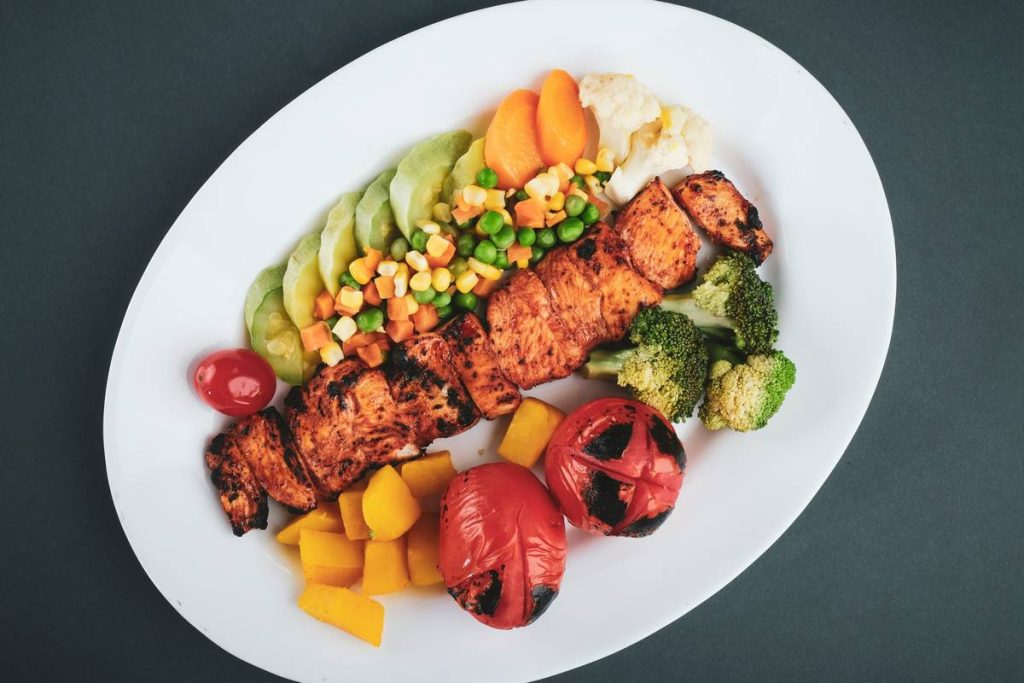
Start tonight. Grill some salmon. Sauté spinach in olive oil. Crack open a couple of eggs. Your future self—with better energy, focus, and drive—will thank you.
Disclaimer: This article is for informational purposes only and not medical advice. If you suspect clinically low testosterone (fatigue, depression, erectile dysfunction, loss of muscle mass), consult a licensed healthcare provider for proper diagnosis and treatment.
Like a flip phone in 2003, your hormones need the right signal to work. Turn off the junk, dial in the nutrients—and watch your vitality reboot.