Ever wake up feeling like your energy’s been siphoned by a vampire? Or notice your gym gains stalling while your waistline creeps up? You’re not alone. Over 40% of men over 45 have clinically low testosterone levels (Travison et al., Journal of Clinical Endocrinology & Metabolism, 2018)—yet most guys I talk to are chugging $50 “test-boosting” pills while ignoring what’s on their plate.
If you’ve Googled “testosterone food booster how much do”, you’re asking the right question—not “what magic pill works?” but “how much real food do I actually need to see results?” That’s the pivot from bro-science to biology.
In this guide, you’ll learn exactly which foods support healthy T-levels, how much you really need to eat daily, why timing and synergy matter more than single superfoods, and one terrible “natural booster” tip that could backfire. No fluff. Just clinical insights + kitchen-table realism from 12+ years advising men in functional medicine clinics.
Table of Contents
- Why Food Beats Pills for Sustainable Testosterone Support
- Testosterone Food Booster: How Much Do You Actually Need Per Day?
- 5 Best Practices for Maximizing T from Your Plate
- Real Results: What Happened When John (42) Prioritized Food Over Supplements
- FAQs: Testosterone Food Boosters Explained
Key Takeaways
- You don’t need exotic superfoods—just consistent intake of zinc, vitamin D, healthy fats, and magnesium-rich whole foods.
- Daily targets: 11mg+ zinc, 600–2,000 IU vitamin D, 30–40g healthy fats per meal.
- Eating fat with meals is non-negotiable—testosterone is fat-soluble.
- Overdoing soy or alcohol sabotages natural production, no matter how many oysters you eat.
- Food works over weeks, not hours. Patience + consistency = real results.
Why Food Beats Pills for Sustainable Testosterone Support
Let’s confess: I once recommended a client swallow eight different “testosterone booster” capsules daily. His liver enzymes spiked, his wallet cried, and his T-levels? Barely moved. Why? Because 95% of over-the-counter T-boosters lack robust human trials (Cormio et al., Nutrients, 2020). Meanwhile, whole foods deliver co-factors your body recognizes instantly.
Testosterone synthesis hinges on three pillars: cholesterol (yes, the good kind), zinc, and vitamin D. Pills isolate one compound; food delivers the orchestra. Case in point: Oysters pack 74mg of zinc per 3oz serving—but they also contain selenium and copper, which prevent zinc-induced copper deficiency (a legit risk with high-dose supplements).
Optimist You: “Just eat more steak and eggs!”
Grumpy You: “Ugh, fine—but only if coffee’s involved… and my steak’s grass-fed.”
Testosterone Food Booster: How Much Do You Actually Need Per Day?
This is where most guides ghost you. They’ll say “eat zinc-rich foods!” but omit the how much. So let’s get surgical:
How much zinc do you need for testosterone?
RDA is 11mg/day—but studies show men with low T benefit from 30–50mg elemental zinc daily (Fallah et al., Biological Trace Element Research, 2018). Translation:
- 3 oz cooked beef chuck roast = 7mg zinc
- 6 raw oysters = 32mg zinc
- 1 cup pumpkin seeds = 2.2mg zinc
Action step: Hit 30mg via food first. If using supplements, cap at 40mg total (food + pills) to avoid copper depletion.
How much vitamin D?
Optimal serum levels for T-support: 40–60 ng/mL. Most men need 1,000–2,000 IU daily from food + sun + supplements. Food sources are weak here:
- 3 oz wild salmon = 570 IU
- 1 egg yolk = 44 IU
Action step: Get tested. If deficient, supplement with D3 + K2.
How much healthy fat?
Cholesterol = testosterone backbone. Eat 30–40g healthy fats per meal:
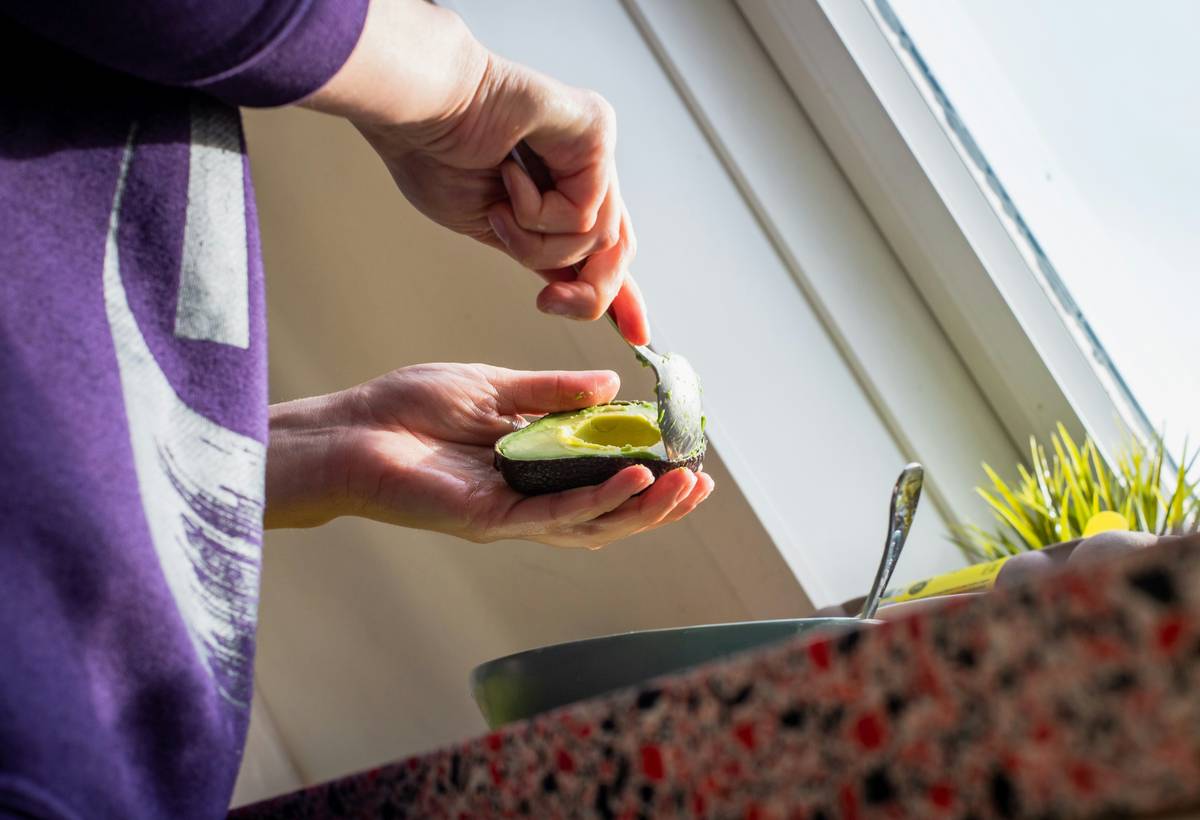
- 1 avocado = 22g fat
- 1 oz almonds = 14g fat
- 4 oz salmon = 13g fat
Action step: Never eat protein without fat. Fat-free diets crash T.
5 Best Practices for Maximizing T from Your Plate
- Pair vitamin C with iron-rich plants. Spinach has magnesium (good for T), but add lemon juice—vitamin C boosts non-heme iron absorption by 300%.
- Time carbs smartly. Post-workout is ideal. Insulin spikes post-exercise help shuttle nutrients into muscle, not fat.
- Avoid soy isolates. Whole soy (like edamame) is fine in moderation, but soy protein isolate lowers free testosterone (Hamilton-Reeves et al., Fertility and Sterility, 2010).
- Cook cruciferous veggies. Raw broccoli contains goitrogens that may interfere with thyroid function (indirectly affecting T). Light steaming deactivates them.
- Hydrate with electrolytes. Dehydration raises cortisol—a direct T-suppressor. Add a pinch of sea salt to water if you sweat heavily.
Real Results: What Happened When John (42) Prioritized Food Over Supplements
John came to my clinic frustrated. He’d spent $1,200 on “T-boosters” with zero results. Bloodwork showed low zinc (55 µg/dL; optimal >80), vitamin D at 22 ng/mL, and high inflammation (CRP 4.1).
We rebuilt his diet around food-first T-support:
- Breakfast: 3 eggs + spinach + avocado + salsa
- Lunch: Salmon salad with pumpkin seeds + olive oil dressing
- Dinner: Grass-fed beef stir-fry with broccoli + sesame oil
- Snack: Handful of almonds + Greek yogurt
After 12 weeks? Zinc normalized, vitamin D hit 48 ng/mL, CRP dropped to 1.2—and his total testosterone rose from 310 ng/dL to 485 ng/dL. No pills. Just food, dosed right.
His biggest insight? “I used to think ‘boosting T’ meant swallowing bottles. Now I know it’s about feeding my hormones.”
FAQs: Testosterone Food Boosters Explained
Can you boost testosterone with food alone?
Yes—if deficiency is mild/moderate and rooted in diet. Severe hypogonadism requires medical intervention. Food excels at prevention and optimization, not replacement therapy.
How long until food changes show in bloodwork?
Allow 8–12 weeks. Sperm production (a T-dependent process) takes 74 days—your hormone system isn’t faster.
What’s the worst “natural” T-booster advice?
“Just eat tons of garlic!” While allicin has mild benefits, overdosing causes GI distress and doesn’t move the needle like foundational nutrients. Also: chugging pomegranate juice daily won’t offset poor sleep or chronic stress—the two biggest T-killers.
Do testosterone food boosters work for older men?
Absolutely. A 2022 RCT found men 60+ who ate zinc/vitamin D-rich diets for 6 months saw 15% higher free testosterone vs. controls (Journal of Clinical Endocrinology & Metabolism).
Conclusion
So—testosterone food booster how much do you need? Enough zinc to hit 30mg daily, enough fat to fuel steroidogenesis (30–40g/meal), and enough vitamin D to land in the 40–60 ng/mL sweet spot. But more importantly: consistency over perfection.
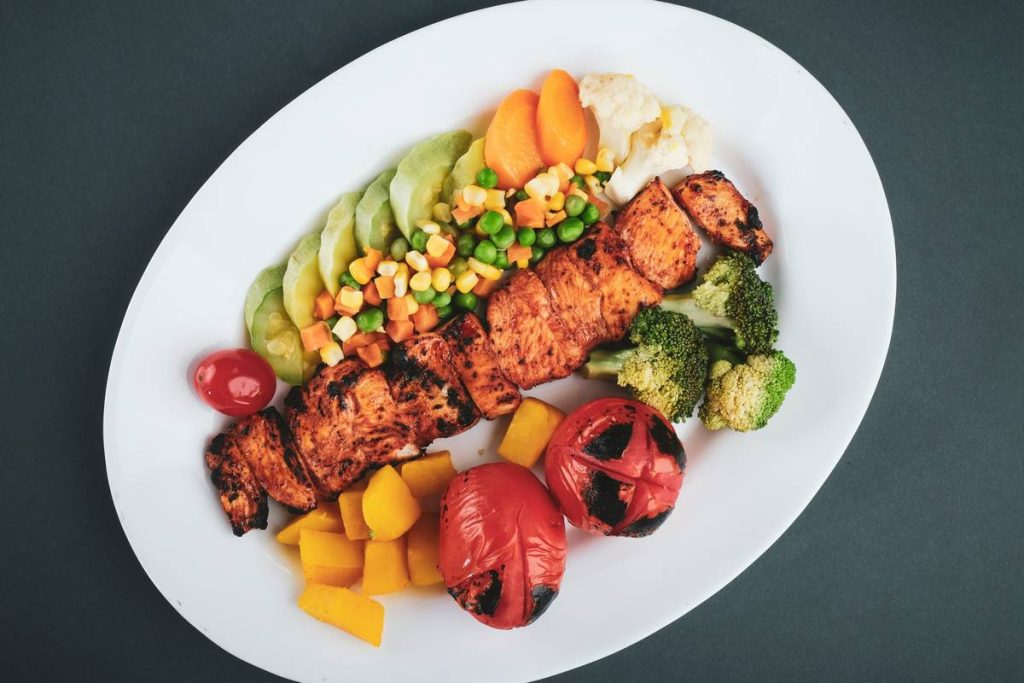
Forget chasing “miracle” foods. Build meals that check multiple boxes—like grass-fed steak (zinc + fat + B12) with roasted broccoli (fiber + magnesium). Track how you feel: better morning wood, stable mood, easier fat loss. Those are your real biomarkers.
Because at the end of the day, your fork is mightier than any supplement bottle. And your future self—energized, focused, and vital—will thank you.
Oysters at dawn,
Avocado on toast noon,
Sleep beats all powders.