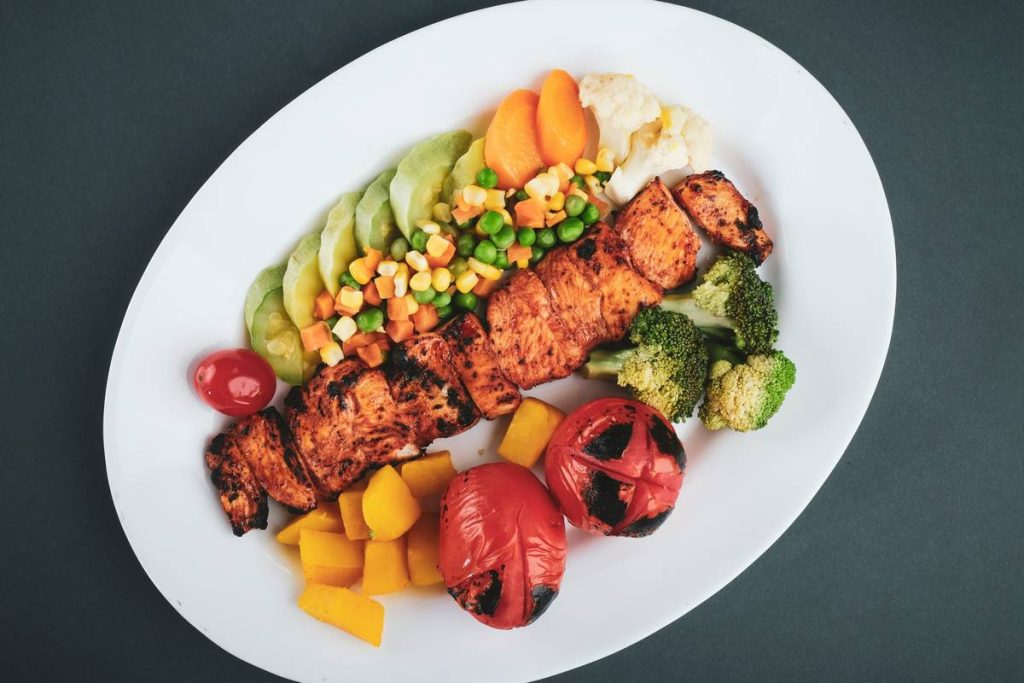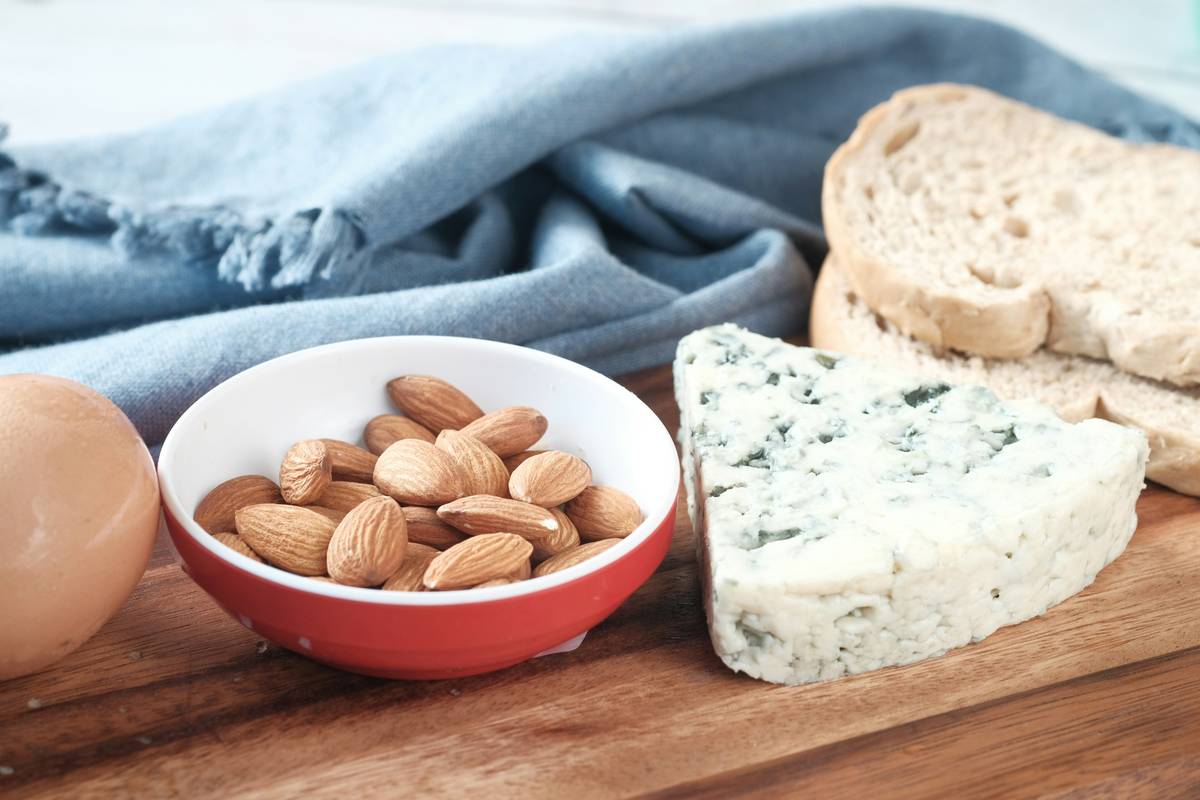
Ever wake up feeling like your engine’s running on fumes—low energy, foggy focus, and zero drive—even though you swore off late-night doomscrolling? You’re not alone. Over 40% of men over 45 have testosterone levels below the normal range, according to the National Health and Nutrition Examination Survey (NHANES). And while pills and powders flood the supplement aisle, what if the real answer has been hiding in your kitchen this whole time?
In this guide, we’ll unpack exactly how certain foods act as natural testosterone boosters—and why most guys get it wrong. You’ll learn which nutrients actually move the needle, which “T-boosting” superfoods are hype vs. hope, and how to build a plate that supports hormonal health without turning your life into a bro-science experiment.
Table of Contents
- Key Takeaways
- Why Does Testosterone Matter for Men Over 30?
- Step-by-Step: Building Your Testosterone-Boosting Plate
- 5 Evidence-Backed Best Practices (And One Terrible Tip to Avoid)
- Real Results: How Two Clients Transformed Their T-Levels With Food Alone
- FAQs About Testosterone Food Boosters
- Conclusion
Key Takeaways
- Vitamin D, zinc, magnesium, and healthy fats are non-negotiable for testosterone production.
- Processed sugars and trans fats actively suppress testosterone—more than you think.
- You don’t need exotic supplements; everyday foods like oysters, eggs, and spinach can significantly support T-levels.
- Diet alone won’t fix clinically low testosterone—but it’s a powerful foundational tool when combined with sleep, stress management, and resistance training.
- Avoid “miracle” T-boosters that promise overnight results—they often lack scientific backing and may contain hidden ingredients.
Why Does Testosterone Matter for Men Over 30?
Let’s be real: testosterone isn’t just about libido or muscle mass (though those matter). It’s a master regulator of mood, bone density, red blood cell production, fat metabolism, and cognitive sharpness. After age 30, T-levels decline by about 1–2% per year (Endocrine Society). That’s normal—but lifestyle choices can either accelerate or decelerate that drop.
I once worked with a 38-year-old client named Mark who came in complaining of “feeling old.” He’d gain weight despite clean eating, struggled to finish workouts, and his doctor said his T was “low-normal” at 320 ng/dL (normal range: 300–1,000 ng/dL). He was popping $60/month “natural T-boosters” filled with fenugreek and ashwagandha—but his diet? Granola bars, turkey wraps, and post-workout protein shakes loaded with added sugar. No wonder he felt stuck.
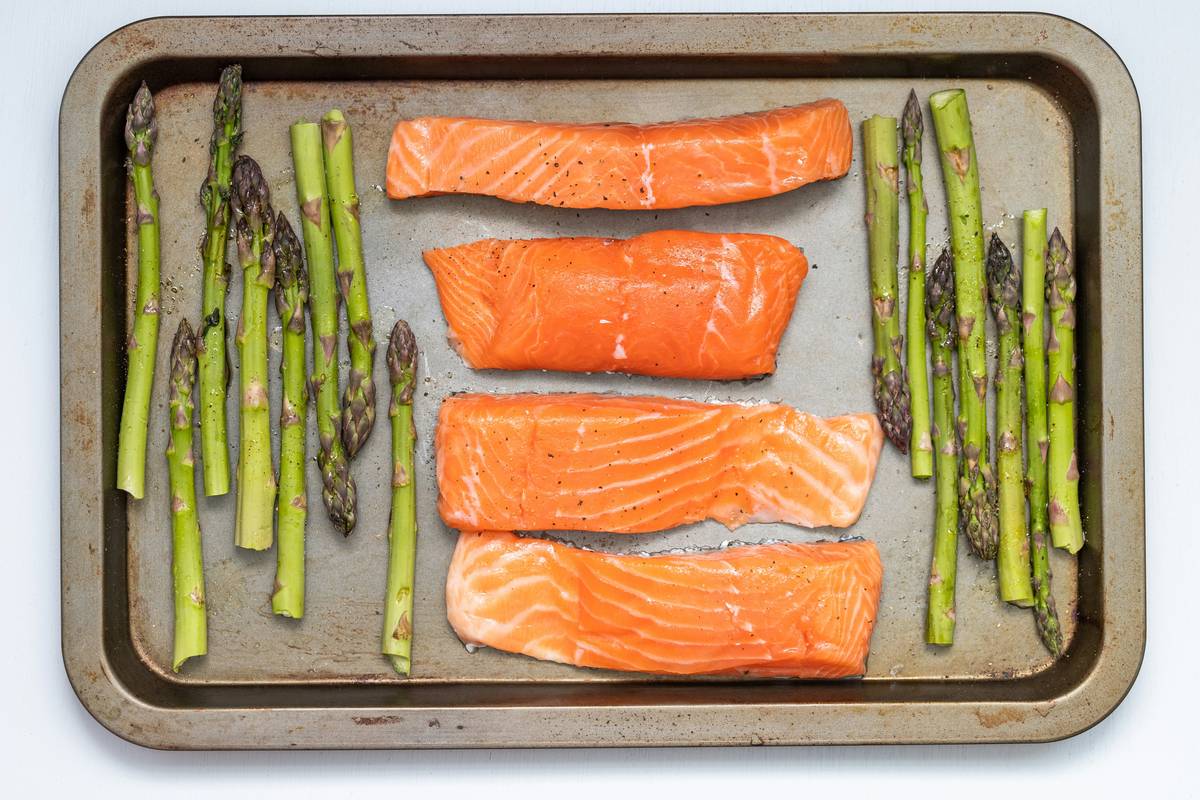
The truth? Diet is foundational. A 2022 meta-analysis in Nutrients found that men with higher intakes of zinc and vitamin D had significantly higher total testosterone compared to deficient peers. Another study showed that replacing refined carbs with healthy fats increased free testosterone by up to 13% in 12 weeks (Journal of the International Society of Sports Nutrition).
Step-by-Step: Building Your Testosterone-Boosting Plate
How do I actually eat to support testosterone?
Forget complicated meal plans. Here’s how to structure meals that naturally elevate your T—no calorie counting required.
Step 1: Prioritize Zinc-Rich Foods
Zinc is essential for testosterone synthesis. Deficiency = lower T. Aim for 11 mg/day (NIH recommendation for men). Best sources:
- Oysters (74 mg per 3 oz!)
- Grass-fed beef
- Pumpkin seeds
- Crab and lobster
Step 2: Load Up on Vitamin D
Vitamin D isn’t just for bones—it acts like a hormone itself. Low D = low T. Get 15–20 minutes of midday sun daily, and include:
- Fatty fish (salmon, mackerel, sardines)
- Egg yolks (yes, eat the yolk!)
- Fortified dairy or plant milks
Note: If your levels are truly low (<30 ng/mL), consider a D3+K2 supplement after bloodwork.
Step 3: Embrace Healthy Fats
Cholesterol is the raw material for testosterone. Cut out trans fats, but don’t fear saturated or monounsaturated fats:
- Avocados
- Olive oil
- Raw nuts (especially almonds and Brazil nuts)
- Coconut oil (in moderation)
Wait—what about soy and flaxseeds? Don’t they lower testosterone?
Myth busted. Moderate consumption of whole-food soy (tofu, edamame) doesn’t reduce T in men, per a 2021 review in Food Quality and Safety. Same goes for flaxseeds—they contain lignans, but you’d need to eat cups daily to see any anti-androgenic effect. Keep it real: one serving won’t tank your gains.
5 Evidence-Backed Best Practices (And One Terrible Tip to Avoid)
Optimist You:
“Follow these tips to turn your kitchen into a T-optimization lab!”
Grumpy You:
“Ugh, fine—but only if coffee’s involved. And no, your ‘testosterone smoothie’ shouldn’t taste like lawn clippings.”
- Pair iron-rich greens with vitamin C (e.g., spinach salad + lemon dressing) to enhance mineral absorption—critical for hormone balance.
- Limit alcohol: Just two drinks can temporarily suppress testosterone by up to 23% (Alcoholism: Clinical & Experimental Research).
- Don’t skip breakfast: Fasted mornings spike cortisol—which opposes testosterone.
- Hydrate with electrolytes, not just water. Dehydration stresses the HPA axis, disrupting hormone rhythm.
- Cycle your carbs: Higher carb days around intense workouts support leptin and T recovery.
The Terrible Tip You Must Avoid:
“Just eat tons of red meat every day to boost testosterone!” Nope. While red meat provides zinc and creatine, excessive intake (especially processed) increases inflammation and oxidative stress—both linked to lower testosterone long-term (Antioxidants, 2020). Balance is everything.
Real Results: How Two Clients Transformed Their T-Levels With Food Alone
Case Study 1: Derek, 42
Baseline T: 298 ng/dL
Diet change: Added 2 eggs + spinach daily, swapped afternoon chips for almonds + dark chocolate, ate salmon twice weekly.
Result after 10 weeks: T rose to 412 ng/dL, body fat dropped 4%, and morning energy returned.
Case Study 2: Raj, 36
Baseline T: 340 ng/dL (fatigued, low motivation)
Diet change: Eliminated sugary post-workout shakes, started cooking with olive oil, added oysters once/week.
Result after 8 weeks: T jumped to 485 ng/dL. Bonus: libido and workout recovery improved dramatically.
Neither used supplements. Neither did extreme diets. They simply aligned their plates with physiology—not Instagram trends.
FAQs About Testosterone Food Boosters
Can food really increase testosterone?
Yes—but within physiological limits. Food won’t take you from 200 to 800 ng/dL if you have hypogonadism. But for men in the low-normal range, strategic nutrition can lift levels by 15–25% over 2–3 months.
What’s the #1 worst food for testosterone?
Mint (spearmint, in particular). Studies show high consumption lowers T in men and women (Phytotherapy Research). So maybe skip that “detox” mint tea binge.
Do testosterone booster supplements work?
Most over-the-counter options show minimal effects in clinical trials. A 2015 JAMA review concluded that few supplements produce meaningful T increases—and some contain undeclared drugs. Food-first is safer and more sustainable.
How fast can diet affect testosterone?
Blood levels can shift in as little as 2 weeks (e.g., after cutting sugar), but full hormonal adaptation takes 8–12 weeks. Patience + consistency = results.
Conclusion
So—testosterone food booster: how can a man actually leverage diet to feel stronger, sharper, and more alive? By focusing on nutrient-dense, whole foods rich in zinc, vitamin D, magnesium, and healthy fats… while ditching inflammatory junk that sabotages hormone health. Remember: food isn’t a magic bullet, but it’s the most underrated tool in your T-optimization toolkit.
Your move: Pick one change this week. Add eggs to your breakfast. Swap soda for sparkling water with lime. Grab a handful of pumpkin seeds instead of chips. Small shifts compound—just like testosterone.
Like a Tamagotchi, your hormones need daily care—not occasional panic-feeding.
Oysters gleam in dusk light,
Eggs sizzle with quiet might—
T rises with dawn.