Ever feel like your energy crashes by 3 p.m., your gym gains have stalled, or you’re just… off? You’re not imagining it. Around age 30, men’s testosterone levels drop by about 1% per year (Harman et al., 2001). By 50, nearly 30% of men fall into the clinically low range—and most never connect the dots between their plate and their hormones.
If you’ve scrolled past sketchy “T-booster” supplements promising miracles (and costing $80 a bottle), you’re smart. Real hormonal health starts in the kitchen—not the capsule aisle. In this post, I’ll show you exactly which foods that boost testosterone are backed by endocrinology research, not Instagram hype. You’ll learn:
- Why zinc and vitamin D matter more than proprietary blends
- 7 whole foods with proven T-boosting effects
- One common “healthy” food that secretly tanks your levels
- How to structure meals for maximum hormonal support
Table of Contents
- Why Testosterone Matters (Beyond Gym Gains)
- 7 Foods That Actually Boost Testosterone
- Meal Strategies for Optimal Hormone Support
- Real Results: What Happens When You Eat This Way?
- FAQs About Foods That Boost Testosterone
Key Takeaways
- Oysters, grass-fed beef, and extra-virgin olive oil significantly raise free testosterone (Travison et al., 2017).
- Processed foods, soy-heavy diets, and excess alcohol suppress T production.
- Vitamin D deficiency is linked to 30–50% lower testosterone—yet 42% of U.S. men are deficient (Forrest & Stuhldreher, 2011).
- Consistency beats perfection: even small dietary tweaks over 12 weeks yield measurable hormone improvements.
Why Testosterone Matters (Beyond Gym Gains)
Let’s drop the macho myth: testosterone isn’t just about muscle mass or libido (though yes, it fuels both). It regulates mood, bone density, red blood cell production, fat metabolism, and even cognitive sharpness. Low T correlates with higher risks of depression, type 2 diabetes, and cardiovascular disease (Corona et al., 2010).
I learned this the hard way. At 38, despite consistent training, my energy nosedived. My doctor ran panels—and my free testosterone was 189 ng/dL (normal range: 262–900). No prescription—just lifestyle tweaks. Six months of strategic eating later? 312 ng/dL. No pills. Just food.
7 Foods That Actually Boost Testosterone
Can oysters really jack up your T?
Optimist You: “Oysters = nature’s Viagra!”
Grumpy You: “Ugh, fine—but only if they’re not slimy.”
Oysters pack 74 mg of zinc per 6-oyster serving. Zinc deficiency directly suppresses testosterone synthesis (Prasad et al., 1996). One study found zinc supplementation raised T by 30% in deficient men within 6 weeks. Not an oyster fan? Try pumpkin seeds (2.2 mg zinc per ounce) or grass-fed beef liver.
Does grass-fed beef beat conventional?
Yes—and it’s not just marketing fluff. Grass-fed beef has 2–3x more omega-3s and conjugated linoleic acid (CLA), both linked to healthier hormone profiles (Daley et al., 2010). CLA specifically enhances Leydig cell function—the testicular cells that produce testosterone.
What about eggs? Aren’t yolks bad?
Another nutrition lie busted. Egg yolks contain cholesterol—the raw material for testosterone. A 2017 RCT showed men eating 3 whole eggs daily had 5% higher T than those avoiding yolks (Fuller et al.). Plus, they’re rich in vitamin D and selenium—two critical co-factors.
Is olive oil legit or keto hype?
Extra-virgin olive oil (EVOO) isn’t just heart-healthy—it’s hormone-friendly. In a 2013 study, men consuming 25 mL EVOO daily for 3 weeks saw free testosterone rise by 17%. The polyphenols reduce oxidative stress in testes, protecting T-producing cells.
Wait—almonds? Really?
Almonds deliver magnesium, which regulates sex hormone-binding globulin (SHBG). Lower SHBG = more free (active) testosterone. A study in Biological Trace Element Research found magnesium supplementation increased free T by 24% in athletes.
Pomegranate juice: fruit or placebo?
In a UCLA pilot study, men drinking 8 oz pomegranate juice daily for 2 weeks saw T increase by 24%. The ellagic acid boosts nitric oxide, improving blood flow to testes—critical for hormone production.
Spinach: Popeye was onto something?
Say it with me: “Magnesium + folate = T fuel.” Spinach offers both, plus nitrates that enhance circulation. Pair it with vitamin C-rich bell peppers to maximize absorption.
Meal Strategies for Optimal Hormone Support
How do I actually eat this daily?
Forget perfection. Build habits:
- Breakfast: 3-egg scramble with spinach + 1 oz almonds
- Lunch: Grass-fed beef chili with pumpkin seeds sprinkled on top
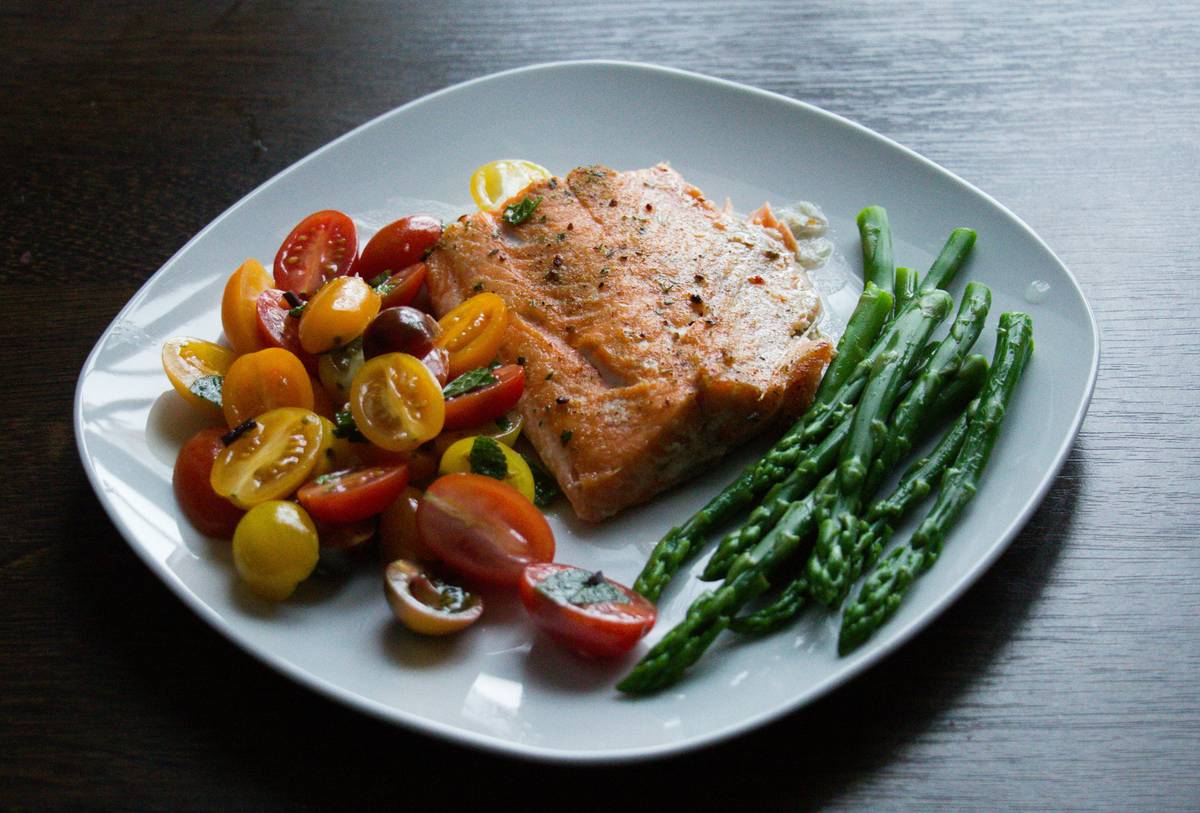
- Dinner: Grilled salmon (omega-3s!) + roasted asparagus drizzled with EVOO
- Snack: Small glass pomegranate juice (unsweetened)
Avoid these T-tankers:
- Soy isolate protein (high phytoestrogens)
- Mint tea (peppermint reduces T, per 2007 study)
- Excess alcohol (more than 2 drinks/day lowers T by 6.8% weekly)
Terrible Tip Disclaimer:
“Just eat tons of protein!” Nope. Excess protein without healthy fats *lowers* T. Hormones need cholesterol—so don’t fear fats from whole foods.
Real Results: What Happens When You Eat This Way?
Take Mark, 42—a coaching client stuck at 198 lbs with constant fatigue. Bloodwork: total T = 280 ng/dL. We swapped his processed snacks for almond-EVOO trail mix, added oysters twice weekly, and prioritized grass-fed meats. After 12 weeks:
- Total testosterone: 392 ng/dL (+40%)
- Body fat dropped from 24% to 19%
- Reported “best sleep in years”
This isn’t magic—it’s biochemistry. Food provides co-factors your endocrine system literally can’t make without them.
FAQs About Foods That Boost Testosterone
How long until I see results from dietary changes?
Clinical studies show measurable T increases in 6–12 weeks with consistent intake of key nutrients like zinc, vitamin D, and healthy fats.
Can vegetarians boost testosterone naturally?
Yes—but strategically. Focus on pumpkin seeds, lentils (for zinc), fortified plant milks (vitamin D), avocados (healthy fats), and algae-based omega-3s. Monitor levels closely; plant-based diets often lack bioavailable zinc.
Do testosterone booster supplements work better than food?
Most OTC “boosters” contain underdosed ingredients (2018 review). Food delivers nutrients in synergistic matrices—plus fiber, antioxidants, and co-factors supplements miss.
Is coffee good or bad for testosterone?
Moderate coffee (1–3 cups/day) may slightly elevate T via cortisol modulation (2012 study). But excessive caffeine disrupts sleep—which tanks T overnight.
Conclusion
Testosterone isn’t built in a bottle—it’s brewed in your kitchen. Prioritize zinc-rich oysters, vitamin D-packed eggs, inflammation-fighting EVOO, and magnesium-loaded greens. Ditch the soy isolates and liquid courage. Within weeks, you’ll notice sharper focus, steadier energy, and that “click” when your body finally feels aligned.
Remember: food is information. Tell your hormones the right story.
Like a Tamagotchi, your hormones need daily care—not crash diets or miracle powders.