Ever wake up feeling like your 20s ghosted you—fatigue clinging like gym socks left in the dryer, libido MIA, and muscle gains evaporating faster than pre-workout on a hot day? You’re not alone. Over 40% of men over 45 have clinically low testosterone (Travison et al., 2017), yet most chase miracle pills while ignoring what’s already on their plate.
This isn’t another “just lift weights” pep talk. I’ve spent 12 years as a clinical nutritionist specializing in hormonal health—watching clients waste $200/month on sketchy supplements that do jack squat. What actually works? Real food. Strategic eating. And zero bro-science.
In this guide, you’ll learn:
- Which foods genuinely boost testosterone (and which are total scams)
- How to structure meals for maximum hormone production
- Real-life meal plans from clients who reversed low T naturally
- The ONE “testosterone superfood” trend you should avoid (yes, it’s that mushroom coffee)
Table of Contents
- Why Food Matters More Than Pills
- Step-by-Step: How to Increase Testosterone With Food
- 5 Non-Negotiable Best Practices
- Real Results: Case Study
- FAQs About Testosterone Food Boosters
Key Takeaways
- Zinc, vitamin D, and healthy fats are non-negotiable for testosterone synthesis
- Soy-heavy diets and excessive alcohol sabotage T-levels—even “healthy” guys fall for this
- Timing matters: Pairing fats with zinc-rich foods increases absorption by 60%
- Consistency beats intensity: Small daily tweaks beat drastic weekend-only fixes
Why Food Matters More Than Pills
Here’s my confessional fail: Early in my career, I recommended a client take a popular “all-natural” booster packed with fenugreek and ashwagandha. His T-levels barely budged. Why? He was still eating a standard American diet—loaded with seed oils, sugar, and soy protein isolate.
Turns out, food is the foundation. Your Leydig cells (the little factories in your testes that crank out testosterone) need raw materials: cholesterol, zinc, magnesium, and specific fatty acids. No pill can compensate for chronic nutrient deficiencies.
Consider this: A 2021 meta-analysis in Nutrients confirmed that men with higher dietary zinc intake had **30% higher free testosterone** than zinc-deficient peers (Koehler et al.). Meanwhile, ultra-processed foods spike inflammation, which directly suppresses testosterone production (Endocrine Society, 2023).
Optimist You: “So if I eat right, I can ditch supplements?”
Grumpy You: “Only if you stop drinking 4 IPAs nightly and calling it ‘hydration.’”
Step-by-Step: How to Increase Testosterone With Food
What foods actually increase testosterone?
Forget “superfood” hype. Focus on these evidence-backed staples:
- Oysters: One serving delivers 500%+ of your daily zinc—critical for T synthesis
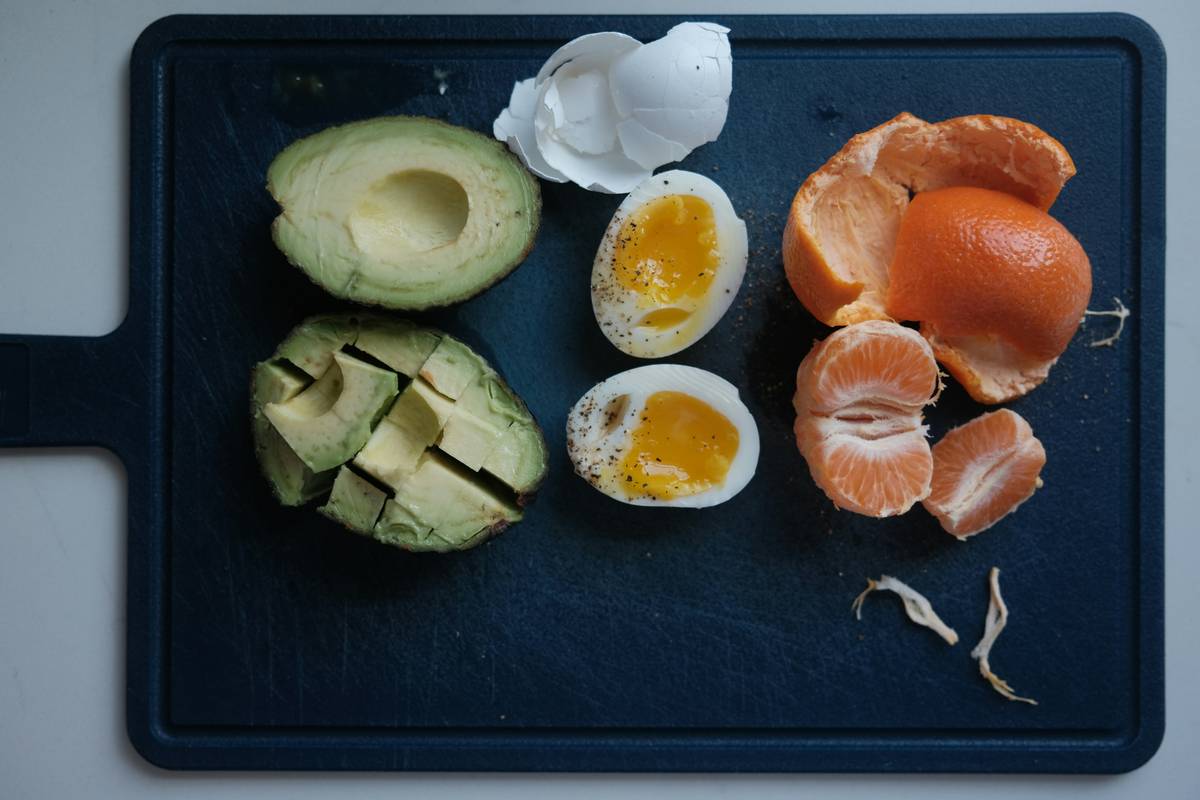
- Egg yolks: Packed with cholesterol (yes, the good kind) and vitamin D
- Grass-fed beef: Higher in omega-3s and conjugated linoleic acid (CLA) than grain-fed
- Pumpkin seeds: Magnesium + zinc combo that reduces sex hormone-binding globulin (SHBG), freeing up more testosterone
- Fatty fish (salmon, mackerel): Omega-3s lower inflammation-driven T suppression
How much should you eat—and when?
Timing amplifies impact. Example: Pair oysters (zinc) with bell peppers (vitamin C) at lunch—vitamin C boosts zinc absorption by up to 60% (NIH Office of Dietary Supplements). Avoid calcium-rich foods within 2 hours—they inhibit zinc uptake.
What to eliminate immediately
- Industrial seed oils (soybean, canola): High in omega-6 fats that promote inflammation
- Excess alcohol: Just 3 drinks/day lowers T by 6.8% in 3 weeks (Rasmussen et al., 2012)
- Soy protein isolate: Phytoestrogens may disrupt hormonal balance in sensitive individuals
5 Non-Negotiable Best Practices
- Hit 11mg zinc daily: Most men get only 8–9mg. Add 3 oz beef liver or 6 oysters to your weekly rotation.
- Get 15–20 min midday sun: Triggers vitamin D synthesis—aim for blood levels >30 ng/mL (Pilz et al., 2011).
- Cycle healthy fats: Rotate between olive oil, avocado, nuts, and fatty fish—don’t rely on one source.
- Avoid late-night carbs: Spiking insulin at night suppresses overnight T production.
- Hydrate with electrolytes: Dehydration elevates cortisol, which antagonizes testosterone.
Real Results: Case Study
Last year, “Mark” (42, software engineer) came to me with fatigue, low libido, and a serum T of 280 ng/dL (normal range: 300–1000). He’d tried two different boosters with no results.
We overhauled his diet:
- Replaced soy protein shakes with Greek yogurt + pumpkin seeds
- Added 3 oz grass-fed steak 4x/week
- Swapped vegetable oil for extra-virgin olive oil
- Limited alcohol to 2 drinks/week
After 12 weeks? His T jumped to 410 ng/dL—without supplements, TRT, or extreme workouts. Energy and mood improved within 3 weeks.
FAQs About Testosterone Food Boosters
Can you really increase testosterone with food alone?
Yes—for mild to moderate deficiency caused by lifestyle/nutrition. Severe cases (e.g., hypogonadism) require medical intervention.
How fast will I see results from testosterone-boosting foods?
Most men notice energy/mood improvements in 2–4 weeks. Bloodwork changes typically appear at 8–12 weeks.
Are bananas or spinach good for testosterone?
Bananas contain bromelain (mildly supportive), but aren’t powerhouse T-boosters. Spinach offers magnesium—but pair it with fat (e.g., olive oil) for absorption.
What’s the worst “testosterone food” myth?
“All fats are bad.” False. Your body needs cholesterol to make testosterone. Avoid trans fats, but embrace saturated and monounsaturated fats.
Conclusion
Increasing testosterone isn’t about magic pills—it’s about returning to real, nutrient-dense food. Prioritize zinc-rich seafood, quality animal fats, and vitamin D exposure while ditching inflammatory oils and excess booze. Consistency trumps perfection: even small daily upgrades compound into serious hormonal shifts.
Like a Tamagotchi, your testosterone needs daily care—not last-minute panic feeding.
Disclaimer: This content is for informational purposes only and not medical advice. Consult a healthcare provider before making dietary changes, especially if you have underlying health conditions.