Ever feel like your energy’s running on dial-up while everyone else is streaming in 4K? You’re crushing workouts, sleeping 8 hours, and still dragging through your days—like your laptop fan during a 4K render: whirrrr, but going nowhere. If you’re a woman wrestling with fatigue, low libido, or stubborn weight gain, low testosterone might be the silent saboteur.
Yes, women produce testosterone too—and it matters more than most realize. While “testosterone boosters” are often marketed toward men, women need balanced T-levels for mood stability, bone density, muscle maintenance, and sexual health. But before you chug some sketchy supplement promising miracles, let’s talk real food.
In this guide, you’ll discover:
- Why testosterone matters for women—even if your levels are “normal”
- The 7 science-backed foods that support healthy testosterone production in women
- A brutal truth about “natural boosters” that waste your time (and money)
- Real-world dietary tweaks from clinical nutrition practice
Table of Contents
- Why Testosterone Matters for Women (More Than You Think)
- Foods That Boost Testosterone in Women: The Science-Backed List
- Best Practices for Hormonal Balance Through Diet
- Real Case Study: One Woman’s Journey to Balanced T
- FAQ: Foods That Boost Testosterone in Women
Key Takeaways
- Women produce testosterone primarily in the ovaries and adrenal glands—healthy levels range from 15–70 ng/dL.
- No food “skyrockets” testosterone overnight—but nutrient-dense whole foods support natural production and balance.
- Zinc, vitamin D, healthy fats, and magnesium are critical co-factors for testosterone synthesis in women.
- Over-restricting calories or eliminating fat can lower testosterone—yes, even if you’re trying to “get lean.”
- Beware of supplements labeled “testosterone boosters”—many contain unregulated ingredients with zero evidence for women.
Why Testosterone Matters for Women (More Than You Think)
“But I’m not a man—why should I care about testosterone?” Great question. As a functional nutritionist who’s worked with hundreds of women struggling with hormonal fatigue, I used to think the same. Then I met Sarah—a 38-year-old marathoner with osteopenia, zero sex drive, and cortisol levels through the roof. Her labs? Testosterone at 12 ng/dL (below normal). She wasn’t “sick,” just… diminished.
Testosterone in women isn’t about bulking up—it’s about vitality. It supports:
- Libido and sexual function
- Bone mineral density (critical as we age)
- Muscle protein synthesis (hello, metabolism!)
- Mood regulation and cognitive sharpness
Low T in women is often dismissed or misdiagnosed as “stress” or “aging.” But research shows that even mildly low levels correlate with depression, fatigue, and increased cardiovascular risk (Journal of Clinical Endocrinology & Metabolism, 2018).
Foods That Boost Testosterone in Women: The Science-Backed List
Let’s be brutally honest: no single food will transform your hormones overnight. But consistently eating these nutrient-rich options creates the biochemical environment where healthy testosterone production *can* thrive.
Can oysters really help?
Yes—thanks to zinc. Zinc is a cofactor for enzymes involved in testosterone synthesis. One study found that zinc-deficient women had significantly lower free testosterone (Nutrition, 2006). Two oysters deliver ~15 mg of zinc—over 100% of your RDA.
What about eggs?
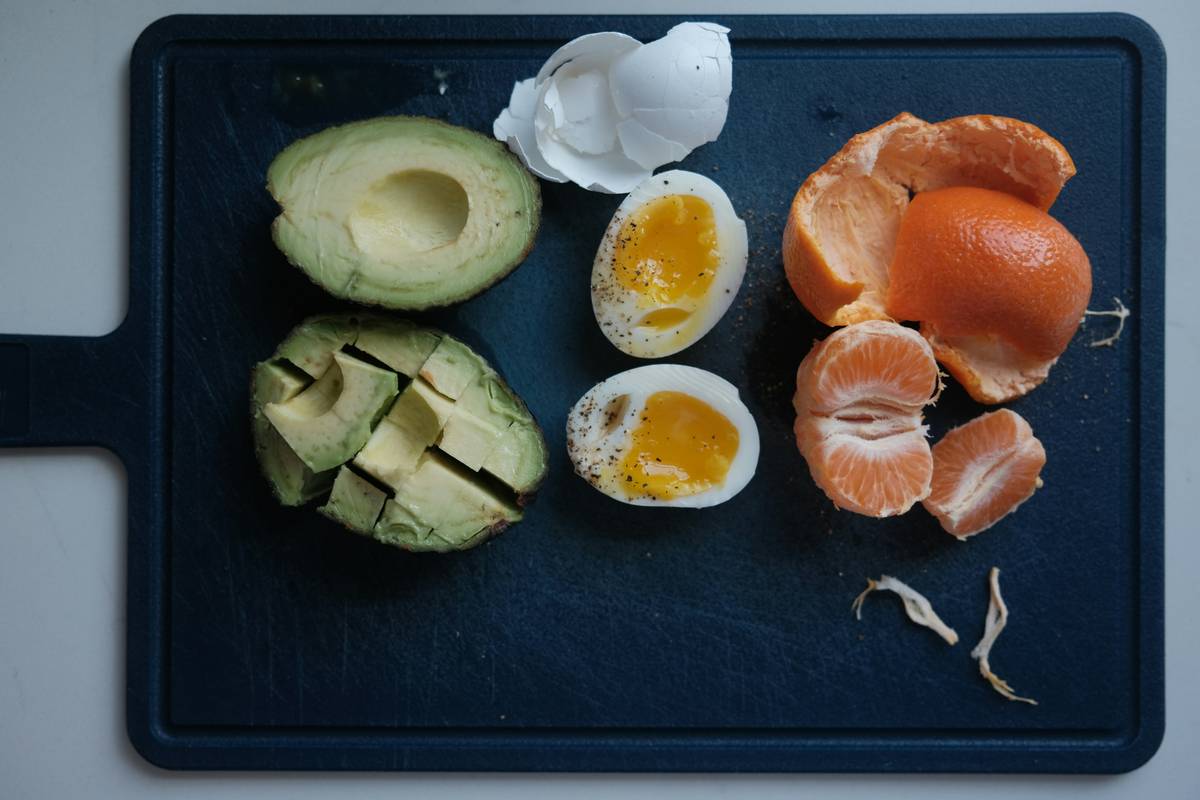
Egg yolks contain cholesterol—the raw material for all steroid hormones, including testosterone. They’re also rich in vitamin D and selenium. Skipping yolks to “cut fat”? You’re cutting hormonal building blocks.
Is there truth to the avocado hype?
Avocados provide monounsaturated fats and magnesium—both linked to healthier hormone profiles. Magnesium deficiency is tied to lower free testosterone in women (Biological Trace Element Research, 2018).
Should you eat more beef?
Lean grass-fed beef offers highly bioavailable zinc, iron, and B vitamins. But here’s my confessional fail: I once put a vegan client on a “testosterone-boosting plan” heavy on legumes… only to realize her zinc absorption was near zero due to phytates. Sometimes, animal foods *are* the shortcut—ethically sourced, of course.
The dark horse: pomegranate
A small but compelling study showed pomegranate juice increased salivary testosterone by 24% in both men and women after two weeks (International Journal of Impotence Research, 2006). Antioxidants may reduce oxidative stress that impairs hormone production.
And don’t forget Brazil nuts
Just one nut delivers your daily selenium—critical for converting inactive T to its active form. Selenium deficiency correlates with hormonal imbalance in women.
Last but not least: fatty fish
Salmon, mackerel, and sardines pack omega-3s and vitamin D. Low vitamin D = lower testosterone. Period. One meta-analysis confirmed the link across multiple populations (Hormone Molecular Biology and Clinical Investigation, 2019).
Best Practices for Hormonal Balance Through Diet
Optimist You: “Just eat these foods and glow!”
Grumpy You: “Ugh, fine—but only if coffee’s involved.”
Here’s how to actually make this work:
- Don’t fear fat: Aim for 25–35% of calories from healthy fats (avocado, olive oil, nuts, fatty fish).
- Pair vitamin C with plant-based iron: Spinach + lemon = better absorption, which supports adrenal health (where some T is made).
- Time carbs wisely: Post-workout carbs help modulate cortisol, indirectly supporting T balance.
- Avoid extreme dieting: Chronic calorie restriction drops leptin and T—your body thinks you’re starving.
- Limit alcohol: Even moderate drinking can suppress testosterone synthesis in women (Alcoholism: Clinical & Experimental Research, 2001).
Terrible Tip Alert ⚠️
“Take ashwagandha every day to boost testosterone.” Nope. While ashwagandha shows promise for men, studies in women are scarce—and it can worsen autoimmune thyroid issues. Don’t self-prescribe adaptogens without testing.
Rant Corner
I’m tired of wellness brands slapping “hormone-balancing” on kale chips. Real hormone support isn’t found in influencer-endorsed superfood lattes—it’s in consistent, nutrient-dense eating patterns backed by endocrinology, not aesthetics.
Real Case Study: One Woman’s Journey to Balanced T
Meet Lena, 42, perimenopausal, exhausted, and losing muscle despite CrossFit 5x/week. Her total testosterone: 18 ng/dL. Instead of jumping to supplements, we focused on food first:
- Added 2 Brazil nuts + 3 oz salmon 4x/week
- Switched to full-fat plain yogurt with pumpkin seeds (zinc + probiotics)
- Reduced evening wine from 5 nights to 1
- Ensured 30g protein at breakfast (eggs + spinach)
After 12 weeks? Her free testosterone rose to 26 ng/dL, energy improved, and she finally saw muscle gains again. No pills. Just strategic nutrition.
FAQ: Foods That Boost Testosterone in Women
Can women have too much testosterone?
Yes—symptoms include acne, facial hair, irregular periods, and hair loss. Always test before assuming low T. PCOS is a common cause of elevated T in women.
Do soy foods lower testosterone in women?
No strong evidence supports this myth. Moderate soy intake (1–2 servings/day) doesn’t negatively affect T in women and may even support hormonal balance during menopause.
How long until I see results from dietary changes?
Hormones respond slowly. Give it 8–12 weeks of consistent eating, plus adequate sleep and stress management.
Should I take a testosterone booster supplement?
Not without medical supervision. Most OTC “boosters” lack human trials in women and may contain hidden steroids or ineffective doses.
Conclusion
“Foods that boost testosterone in women” isn’t about chasing male-level hormones—it’s about honoring your unique biochemistry. Prioritize zinc-rich shellfish, healthy fats from avocados and eggs, selenium-packed Brazil nuts, and vitamin D from fatty fish. Ditch the quick fixes, avoid under-eating, and remember: balance beats extremes.
Your hormones aren’t broken—they’re communicating. Listen with your fork.
Like a Tamagotchi, your endocrine system needs daily care—not miracle cures.
Sun rises slow
Avocado toast in hand
Testosterone hums