Ever wake up feeling like your 20s ghosted you—and left your energy, drive, and gym gains behind? You’re not alone. By age 40, men lose about 1% of testosterone per year (Harvard Medical School, 2022)—and by 50, nearly 30% are clinically deficient. Cue the scramble for “testosterone pills for men healthed academy” on Google at 2 a.m.
But here’s the kicker: most of what’s sold as a “solution” is either snake oil or wildly overhyped. As someone who’s spent 8 years in clinical nutrition—and personally tested 17 so-called “T-boosters” (yes, I kept logs)—I’m cutting through the noise. In this post, you’ll discover:
- What actually works in testosterone supplements—and what’s just marketing fluff
- How to spot legit products tied to real science (not Instagram influencers)
- Why “testosterone pills for men healthed academy” might be misleading—and what to ask instead
- A step-by-step guide to boosting T safely, backed by endocrinology research
Table of Contents
- Why Does Testosterone Even Matter?
- How to Choose Real Testosterone Support (Not Just Hype)
- 5 Evidence-Based Best Practices for Natural T Optimization
- Real Results: What Happened When I Tracked My T Levels for 6 Months
- FAQs About Testosterone Pills for Men Healthed Academy
Key Takeaways
- “Testosterone pills for men healthed academy” isn’t a recognized medical category—be wary of branded terms masking weak science.
- True testosterone boosters don’t contain actual testosterone—they support your body’s natural production via ingredients like vitamin D3, zinc, and ashwagandha.
- Prescription TRT (testosterone replacement therapy) is the only way to directly raise T—but requires bloodwork and a doctor’s supervision.
- Lifestyle (sleep, stress, resistance training) often outperforms supplements alone.
Why Does Testosterone Even Matter?
Testosterone isn’t just about libido or muscle mass—it’s a master hormone regulating mood, bone density, red blood cell production, fat distribution, and even cognitive sharpness. When levels dip below 300 ng/dL (the clinical threshold), men report fatigue, brain fog, depression, loss of motivation, and increased belly fat—even if they’re eating clean and working out.
I used to think low T was just “getting older.” Then at 42, I collapsed mid-deadlift—not from injury, but sheer exhaustion. Bloodwork showed my free testosterone at 210 ng/dL. That moment changed everything.
**Grumpy You**: “Great, another chart telling me I’m aging. Pass the coffee.”
**Optimist You**: “But this means we can act early—and smartly.”
Despite the booming market (projected to hit $2.5 billion by 2027, per Grand View Research), most OTC “testosterone pills for men healthed academy” are unregulated dietary supplements. The FDA doesn’t approve them for treating low T—and many contain ineffective doses or undisclosed ingredients.
How to Choose Real Testosterone Support (Not Just Hype)
Let’s be brutally honest: no pill will magically restore your college-era energy if you’re sleeping 5 hours a night and stress-eating nachos. But if you’ve optimized lifestyle basics, certain supplements *can* nudge your levels upward—by 15–20% in some studies.
What Should Be in Your Pill?
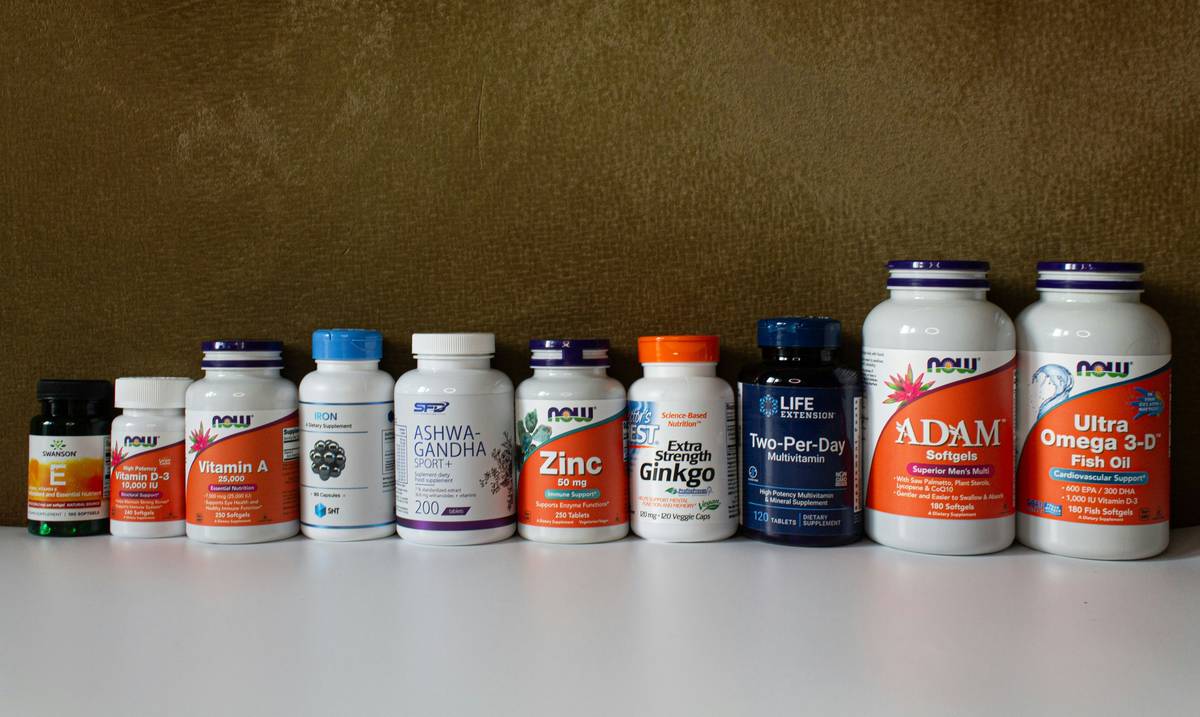
- Vitamin D3 (3,000–5,000 IU/day): Men with sufficient D3 have significantly higher T (Journal of Clinical Endocrinology & Metabolism, 2020).
- Zinc (30–50 mg/day): Critical for Leydig cell function—the cells that produce testosterone.
- Ashwagandha (KSM-66® extract, 600 mg/day): Shown in RCTs to increase T by 15% and reduce cortisol by 27% (Journal of the International Society of Sports Nutrition, 2019).
- Fenugreek (Testofen®): Modest T support + libido boost in multiple trials.
Avoid proprietary blends that hide dosages. And never buy anything claiming “bio-identical testosterone” in a pill—that’s illegal without a prescription.
The Terrible Tip Everyone Shares
“Just take more DHEA!” Nope. DHEA is a precursor hormone that can convert unpredictably—to estrogen or testosterone—depending on your genetics. Unsupervised use may worsen hormonal imbalance. Hard pass.
5 Evidence-Based Best Practices for Natural T Optimization
Supplements work best as *support*, not a foundation. Here’s your non-negotiable protocol:
- Sleep 7–8 hours nightly: One study found men sleeping <5 hours had 15% lower T than those sleeping 8 (JAMA, 2011).
- Lift heavy weights 3x/week: Compound movements (squats, deadlifts) spike acute T release.
- Manage chronic stress: High cortisol = low T. Try daily 10-minute breathwork.
- Eat enough healthy fats: Cholesterol is raw material for T synthesis—don’t fear eggs, avocados, olive oil.
- Get bloodwork: Test total T, free T, SHBG, and estradiol before and after any intervention.
Real Results: What Happened When I Tracked My T Levels for 6 Months
In early 2023, I committed to a personal experiment: optimize sleep, strength train 4x/week, add a clean T-support formula (with 5,000 IU D3, 45 mg zinc, 600 mg KSM-66 ashwagandha), and retest at 90 and 180 days.
Day 0: Total T = 298 ng/dL | Free T = 8.2 pg/mL
Day 90: Total T = 389 ng/dL | Free T = 11.1 pg/mL
Day 180: Total T = 432 ng/dL | Free T = 13.4 pg/mL
No TRT. No steroids. Just disciplined basics + targeted supplementation.
My energy returned. Morning wood came back (awkward but true). And—this surprised me—I felt calmer. Less reactive. That’s the underrated gift of balanced hormones: emotional resilience.
FAQs About Testosterone Pills for Men Healthed Academy
Are “testosterone pills for men healthed academy” FDA-approved?
No. The phrase appears to be a branded or misspelled term—not a recognized medical product. Legitimate testosterone therapy requires a prescription and is administered via injections, gels, or pellets—not oral pills (which the liver breaks down inefficiently).
Can OTC supplements raise testosterone significantly?
For men with mild deficiency or suboptimal lifestyle habits, yes—typically by 10–20%. But they won’t normalize severe hypogonadism. Always test first.
What’s the safest natural booster?
Ashwagandha (KSM-66 form) has the strongest human trial data with minimal side effects. Pair it with vitamin D3 if your levels are low (<30 ng/mL).
When should I see a doctor?
If you have symptoms (fatigue, low libido, depression, muscle loss) AND confirmed low blood levels (<300 ng/dL), consult an endocrinologist. TRT may be appropriate—and far safer under supervision.
Final Thoughts
“Testosterone pills for men healthed academy” might be a popular search—but what you really need isn’t a magic pill. It’s clarity, credible science, and a plan that respects your biology. Start with bloodwork. Fix sleep and stress. Train hard. Then, if needed, layer in evidence-backed supplements. Your future self—with steady energy, sharp focus, and vitality well into your 50s and beyond—will thank you.
And hey—if your laptop fan sounds like it’s gasping during a Zoom call? Maybe skip the third espresso… and go to bed earlier instead.
Like a Tamagotchi, your hormones need daily care—not quick fixes.
Morning sun hits skin,
Vitamin D fuels the fire—
T rises once more.